Choosing between a whole house standby generator and a portable unit involves balancing convenience, power, and safety. Discover which option best suits your Bergen County home.
Quick Answer: Whole House Standby vs. Portable Generator
A whole house standby generator is a permanent backup power system that automatically turns on during an outage, whereas a portable generator requires manual setup, refueling, and connection. For homeowners in Northern New Jersey looking for reliable protection during severe weather, a standby unit like those from Generac or Kohler offers the most seamless and safest experience.
Understanding the Differences in Reliability
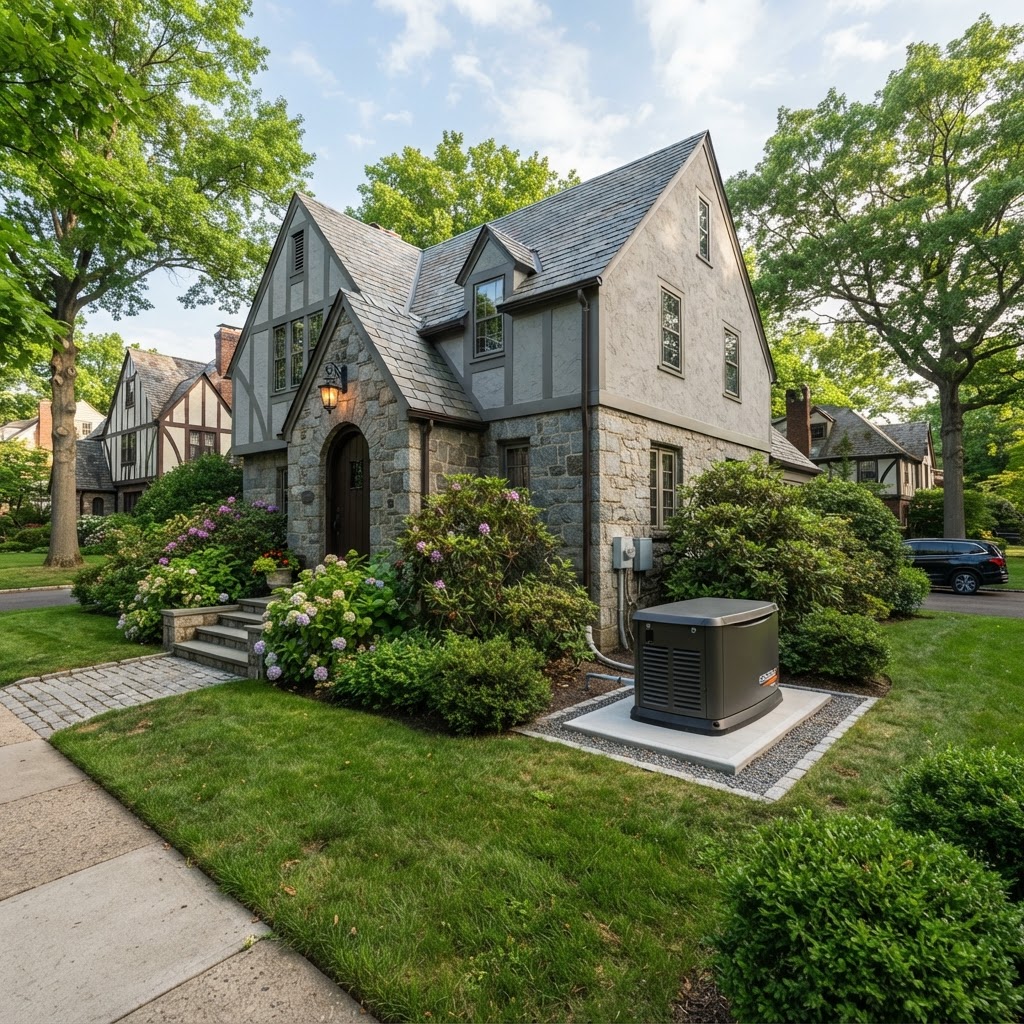
The primary difference between a whole house generator and a portable unit is how they integrate with your home. A standby generator is hardwired into your electrical system, providing power to pre-selected circuits or your entire home within seconds of a grid failure. Portable generators, by contrast, must be rolled out, fueled, and plugged in whenever an outage occurs. For residents in areas like Paramus or Ridgewood, where winter storms can lead to prolonged outages, the convenience of an automatic system is a major advantage.
Safety Considerations for Northern New Jersey Homeowners
Portable generators pose significant safety risks if not operated correctly, including the danger of carbon monoxide poisoning if placed too close to the home. They also require manual extension cords, which can be a tripping hazard. A professionally installed standby generator, such as a Generac or Kohler model, is permanently placed outside and is housed in a weather-resistant enclosure. By hiring a licensed professional like Vaccarella Electrical Services, NJ Electrical Contractor #16628, you ensure that all installations meet local codes, providing peace of mind during emergencies.
The Role of the Transfer Switch
A critical component of any home generator installation is the transfer switch. For a whole house standby generator, an Automatic Transfer Switch (ATS) monitors the utility power and seamlessly shifts the load to the generator. If you opt for a portable unit, you may still need a manual transfer switch to connect it safely to your home’s electrical panel, preventing back-feeding that could endanger utility line workers. Always consult a certified electrician to discuss which configuration best fits your home's electrical capacity.
| Feature | Whole House Standby | Portable Generator |
|---|---|---|
| Activation | Automatic | Manual |
| Fuel Source | Natural Gas or Propane | Gasoline/Diesel/Dual-fuel |
| Installation | Professional Required | DIY/Manual |
| Reliability | High (Tested Weekly) | Moderate (Depends on User) |
| Safety | High (Exterior Mounted) | Requires Carbon Monoxide Awareness |
Maintenance and Long-Term Value
Whole house standby generators are designed for long-term reliability and require professional maintenance to ensure they function perfectly when called upon. Most manufacturers, including Kohler and Generac, recommend scheduled service visits to check oil, filters, and battery health. Because standby units are permanently installed, they often increase the property value of homes in Bergen County, making them a wise investment for long-term homeowners in towns like Mahwah or Franklin Lakes.
Other Questions People Ask
Can a portable generator power my entire home? Most portable units lack the capacity to power a central AC or electric heat and require manual cord management for each appliance. Do I need a permit for a standby generator? Yes, all permanent home generator installations in New Jersey require local electrical permits and inspections. How long can a standby generator run? As long as the natural gas supply remains active, a standby generator can run for days. What is the typical lifespan of a standby generator? With proper professional maintenance, these units typically last 15 to 20 years.
Generator Glossary
- Standby Generator: A permanent backup power system that activates automatically.
- ATS: Automatic Transfer Switch; the device that shifts power from grid to generator.
- Transfer Switch: A device that safely isolates your home from the utility grid.
- Load Shedding: A feature that manages power distribution to prioritize essential appliances.
- Fuel Lines: Gas lines that supply natural gas or propane to your generator.
Schedule Your Generator Installation Today
Don't wait for the next Northern New Jersey storm to find your home without power. Whether you are interested in a Generac or Kohler installation, Vaccarella Electrical Services is ready to assist. Call us at (201) 966-0019 or visit our website to request a free quote for your generator installation or electrical panel upgrade.