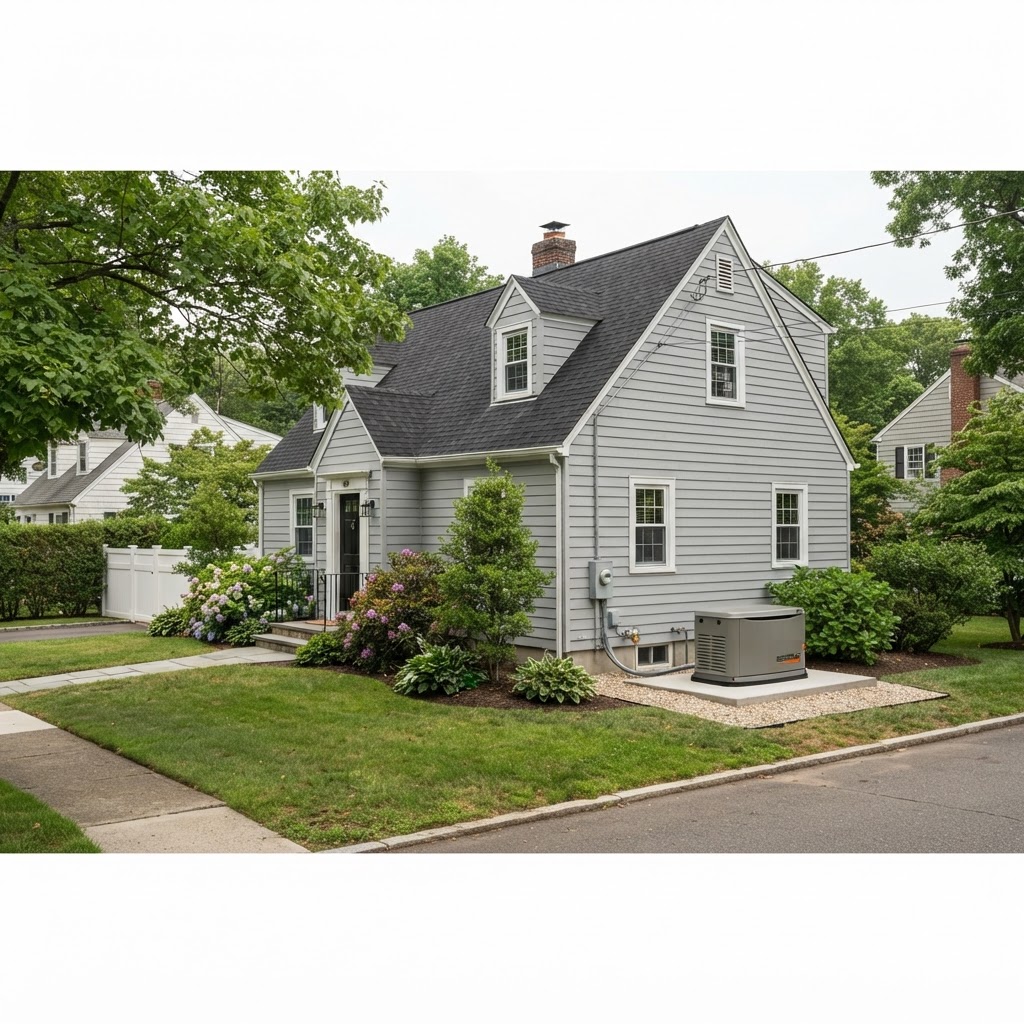
Avoid costly errors and ensure reliable power by steering clear of these common pitfalls during your home standby generator installation in Bergen County.
Quick Answer: Avoiding Installation Pitfalls
The most common mistakes when installing a whole-house generator include improper sizing, poor placement, ignoring local NJ code requirements, and failing to secure professional electrical permits. To ensure your Generac or Kohler unit performs when the grid fails, always hire a licensed electrical contractor like Vaccarella Electrical Services (NJ #16628) to handle the complexities of load calculation and gas line integration.
1. Neglecting Proper Load Calculations
Installing a generator that is too small leads to system overload, while one that is too large results in wasted fuel and unnecessary maintenance. Before selecting a unit, your technician must perform a precise load calculation of your Bergen County home's appliances, including HVAC systems, sump pumps, and kitchen electronics. Under-sizing can cause the system to trip the main breaker during a power outage, leaving you in the dark exactly when you need power the most.
2. Choosing the Wrong Placement for Your Generator
A standby generator must be placed on a level, stable concrete pad, typically at least five feet from any structure and away from windows or intake vents to prevent carbon monoxide buildup. Improper placement can violate local zoning laws in towns like Ridgewood or Paramus and void manufacturer warranties from brands like Generac or Kohler. Proper airflow is critical for cooling the engine; restricted intake leads to premature overheating and mechanical failure.
3. Ignoring Local NJ Electrical Codes and Permits
Every generator installation requires a permit and inspection by your local municipality. Attempting a DIY installation or hiring an unlicensed contractor is a major safety hazard and a legal liability. Vaccarella Electrical Services, as a licensed and insured contractor (NJ #16628), ensures all work meets the National Electrical Code (NEC) and local Northern New Jersey building requirements, protecting your home insurance status and property value.
| Mistake | Consequence |
|---|---|
| Poor Sizing | Frequent shutdowns or limited power |
| Bad Placement | Safety risks (CO poisoning) & code violations |
| Skipping Permits | Fines and voided insurance |
| Improper Transfer Switch | Damage to sensitive home electronics |
4. Failing to Address Fuel Supply Requirements
Whether your standby unit runs on natural gas or liquid propane, the supply line must be sized correctly to ensure the engine receives the required fuel pressure under load. In communities like Franklin Lakes or Mahwah, residents often overlook gas pipe diameter requirements, leading to "starving" the engine during startup. Always ensure your gas piping system is inspected for leaks and adequate flow capacity before commissioning your new backup generator.
5. Skipping Professional Maintenance Plans
A whole-house generator is an engine-driven machine that requires annual service, including oil changes, battery checks, and filter replacements. Neglecting this maintenance is the number one reason units fail during a storm. We recommend scheduling an annual inspection to verify that the transfer switch is functioning and that the unit is ready for the unpredictable Northern New Jersey weather patterns.
Other Questions People Ask
Do I need a transfer switch? Yes, a transfer switch is essential as it safely disconnects your home from the grid, preventing backfeeding that could endanger utility workers.
How long does installation take? A professional installation typically takes 2 to 4 days, depending on permitting and gas line requirements.
Does a standby generator require a lot of space? Most residential models require a footprint of about 3x5 feet, plus clearance for service and airflow.
Will a generator power my central AC? Yes, if the generator is sized correctly to handle the high startup amperage (LRA) of your air conditioning unit.
Frequently Asked Questions
- How do I choose between Generac and Kohler? Both are industry leaders in reliability; the choice often comes down to specific feature sets, warranty terms, and your budget.
- Can I install a generator myself? No. Due to the dangers of gas line work and high-voltage electrical connections, it is illegal and unsafe in most of NJ.
- What is the average lifespan of a home generator? With proper maintenance, a standby unit can last 15 to 20 years.
- Does the generator start automatically? Yes, the automatic transfer switch detects power loss and starts the unit within seconds.
- Are generators noisy? Modern units have acoustic enclosures that keep noise levels comparable to a standard residential HVAC unit.
- What is the benefit of a whole-house unit vs. portable? A whole-house unit provides automatic, hands-free power without the need for fuel management or manual connection.
- Is maintenance expensive? Compared to the cost of replacing an engine, annual maintenance is a cost-effective way to preserve your investment.
- What if I live in a flood-prone area? Your installer can elevate the generator pad to ensure the unit stays above the base flood elevation.
Generator Glossary
- Automatic Transfer Switch (ATS): The device that switches your home load from utility power to generator power.
- Backup Generator: A system that provides temporary power when the primary source is lost.
- Load Shedding: A process where the generator temporarily turns off non-essential circuits to prevent overload.
- Natural Gas/Propane: Common fuel sources for permanent standby generators.
- Kilowatt (kW): The unit of measurement for generator output power.
Ready to secure your home's power? Contact Vaccarella Electrical Services today at (201) 966-0019 or visit our website to request a free quote for professional generator installation in Northern New Jersey.